Brazos / Drug addiction treatment
26 TAC 563 NTP · Chapter 466 · TTOR
Drug addiction treatment in Texas
Updated
Drug addiction treatment in Texas for opioid use disorder on the Adult Substance Use Medication-Assisted Treatment page is the use of prescribed medications, in combination with counseling. Services include counseling, case management and referrals to help with lifestyle changes. Narcotic treatment programs, also known as opioid treatment programs, sit under Texas Health and Safety Code Chapter 466. Minimum standards sit in Texas Administrative Code Title 26 Chapter 563.
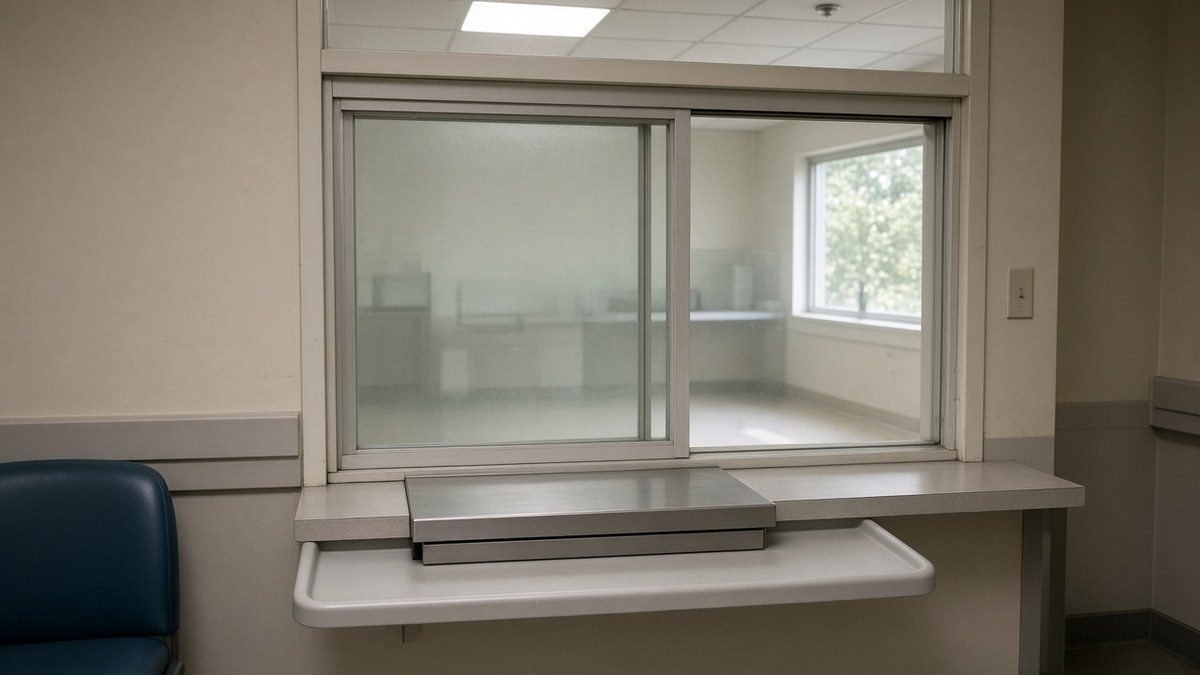
Medication for drug addiction
Texas residents 18 and older with moderate to severe opioid use disorder for at least 12 months in a row may be eligible for state-funded medication-assisted treatment. Financial eligibility is based on income and expenses, and a person may need to pay for some services. Methadone users must be treated under the supervision of a physician. Find a narcotic treatment provider in the area. Call the local Outreach, Screening, Assessment and Referral program.
26 TAC 563.148: the medical director shall be licensed to practice medicine in Texas and in accordance with 22 TAC Chapter 163, and shall have worked in the field of addiction medicine a minimum of two years. Program physicians other than the medical director shall be licensed to practice medicine in Texas and shall have worked in the field of addiction medicine a minimum of one year. The program medical director or program physician shall prescribe methadone in accordance with 42 CFR 8.12(h)(3-4). Methadone shall be administered or dispensed in oral form only when used in an outpatient treatment program. Hospitalized patients under care for a medical or surgical condition are permitted to receive methadone in parenteral form when the attending physician judges it advisable.
Drug addiction medication treatment
Each patient admitted to the program must be evaluated by the medical director or program physician and clinical staff who have been determined to be qualified by education, training, and experience to perform such assessments. The purpose of such assessments shall be to determine whether maintenance treatment, detoxification, or drug free treatment will be the most appropriate treatment modality for the patient. The evaluation must include an assessment of the patient's needs for other services including, but not limited to, medical, psychosocial, educational, and vocational. A signed and dated statement by the program physician that he or she has reviewed all documented evidence to support a one year history of opiate dependence and current opiate dependence, and that in his or her reasonable clinical judgment the applicant fulfills the requirements for admission, is required to be recorded in the patient's file prior to the administration of any narcotic.
A patient may be admitted to short-term detoxification regardless of age. Take-home medication is not allowed during short-term detoxification. A history of one year opiate dependence is not required for admission to short-term detoxification. A primary counselor must be assigned to monitor a patient's progress toward the goal of short-term detoxification and possible drug-free treatment referral. The narcotic drug is required to be administered daily by an agent authorized by the physician in reducing doses to reach a drug-free state over a period not to exceed 30 days.
A patient may be admitted to long-term detoxification regardless of age. The narcotic drug is required to be administered daily in reducing doses to reach a drug-free state over a period not to exceed 180 days. The patient is required to be under observation while ingesting the drug at least six days a week. Initial and random monthly drug screening tests must be performed on each patient. Initial and monthly treatment plans are required.
If in the reasonable clinical judgment of the medical director a particular patient would not benefit from treatment with a narcotic drug, the patient may be refused such treatment even if the patient meets the admission standards.
What a drug addiction treatment plan records
The primary counselor shall enter in the patient's record the counselor's name, the contents of the patient's initial assessment, and the initial treatment plan immediately after the patient is stabilized on a dose or within four weeks after admission, whichever is sooner. The initial treatment plan is required to contain a statement that outlines realistic short-term treatment goals which are mutually acceptable to the patient and the program. The program physician or primary counselor shall review, reevaluate, and alter where necessary each patient's treatment plan at least once each 90 days during the first year of treatment, and at least twice a year thereafter. The treatment plan must be signed and dated by the primary counselor and the patient. At least once a year, the program physician shall review the treatment plan documented in each patient's record. Frequency and content of counseling sessions with patients shall be in keeping with patient needs and modality of treatment.
Texas Targeted Opioid Response
One in four Texans has experienced an opioid overdose or knows someone who has. The Texas Targeted Opioid Response is a public health initiative with a mission to save lives and provide life-long support to Texans with opioid and stimulant use disorders by expanding access to prevention, integrated, treatment and recovery support services. HHSC established TTOR in May 2017 with funding from the Substance Abuse and Mental Health Services Administration. Who is eligible: people with opioid use disorder, their family members, significant others and supportive allies who are affected by opioid use; people who might also have co-occurring use of other substances or mental and primary health conditions.
How to treat drug addiction
Find a narcotic treatment provider in the area. Call the local OSAR program. Find State Funded Substance Use Programs in Texas. A person may request help by contacting 211 Texas or calling 877-541-7905. The only requirement for OSAR services is that a person must be currently residing in the State of Texas. Brazos can walk a city row at (844) 833-0738.